Akinci
Military UAS - MALE
Last reviewed: 29th October 2026
Snapshot
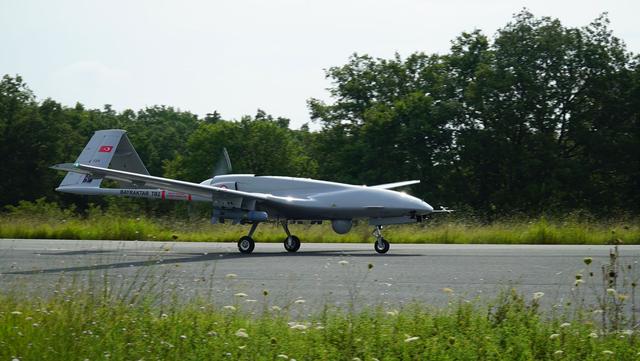
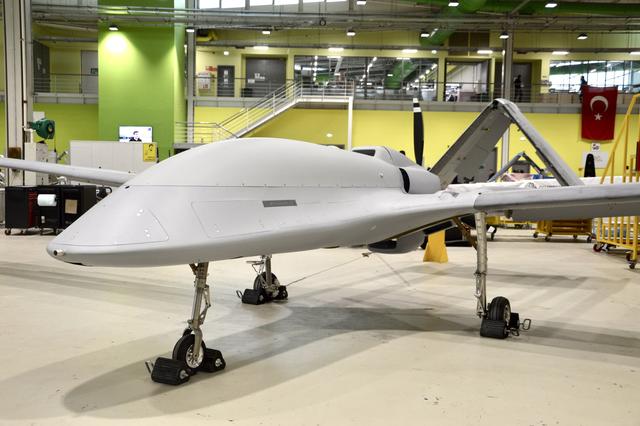
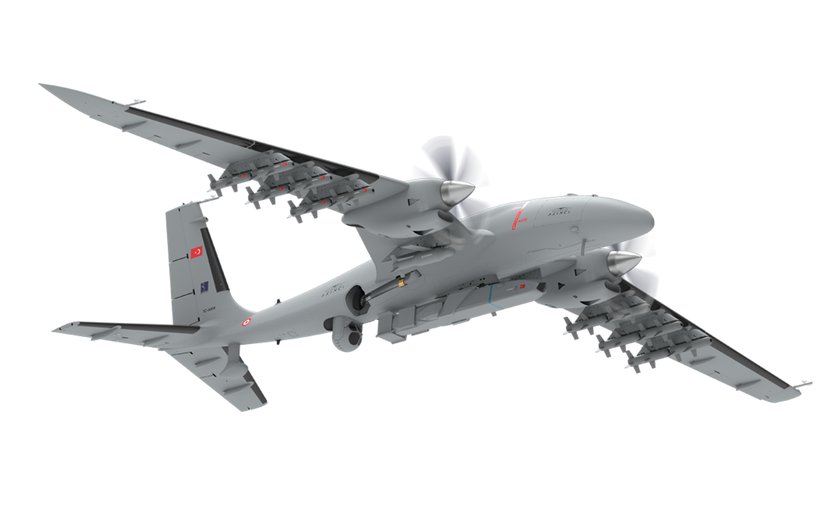
The Akinci is a MALE UCAV manufactured by Baykar. Sometimes known as Uçan Balık, the UAV can be fitted with a range of ISR or strike payloads. It adheres to NATO standards for munition integration, allowing any customer to fit its own domestically produced strike payloads. In August 2021, the platform entered service with the Turkish Armed Forces.
Customers
| Ordered | Delivered | Inventory | OSD | |
|---|---|---|---|---|
 AZERBAIJAN |
3 | 3 | 3 | 2043 |
 BURKINA FASO |
2 | 2 | 2 | 2044 |
 ETHIOPIA |
3 | 3 | 3 | 2043 |
 INDONESIA |
9 | 0 | 0 | 2048 |
 KYRGYZSTAN |
3 | 3 | 3 | 2043 |
 LIBYA |
3 | U | U | 2042 |
 MALI |
8 | 8 | 6 | 2044 |
 MOROCCO |
3 | U | U | 2045 |
 PAKISTAN |
6 | 0 | 0 | 2043 |
 SAUDI ARABIA |
99 | 0 | 0 | 2045 |
 SUDAN |
4 | 4 | 0 | U |
|
TURKEY
|
24 | 24 | 24 | 2041 |
 UAE |
60 | 60 | 1 | 2044 |
OSD = Out of Service Date
U = Unverified
Additional information
Development
Early stages
Unveiled at TEKOFEST Istanbul Aviation, Space and Technology Festival in September 2019, the platform is a successor to the popular Bayraktar TB2. Akinci completed its first flight in December 2019. On 22 April 2021, it completed its first firing tests.
Technical description
Mobility and propulsion
Several different engines can power the platform. From Motor Sich, the AI-450T turboprop engine or, as announced in November 2021, the MS500 turboprop engine can be fitted to the platform. Akinci can also be fitted with two PD-170 engines from Tusas Engine Industries (TEI). In September 2021, Tusas Engine Industries (TEI) unveiled its newest engine, the PD222ST.
Regarding a newer version of the PD-170 engine, which currently powers the Akinci, TEI stated it could install the new engine on any platform that currently uses the PD-170. On 2 March 2022, Haluk Bayraktar announced on Twitter that the Akinci B had completed its maiden flight while fitted with two 750 hp engines. In addition, he stated an Akinci C fitted with two 950 hp engines would soon be in the skies. However, in February 2024, the drone conducted its first flight with two 850-pound engines.
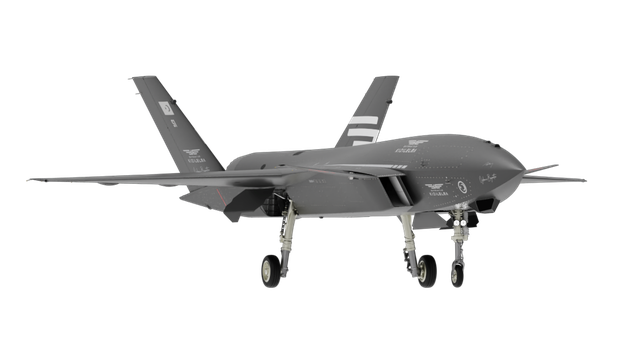
As reported by the Daily Sabah, in May 2023, the UAV conducted its first flight fitted with the indigenous turbojet engine KALE KTJ-1750. In October 2024, Haluk Bayraktar announced it was investing $300 million to develop various jet engines over the next five years, including a turboprop engine for the Akinci and a turbofan engine for Kizilelma.
Control and communication
A cross-redundant GCS controls the platform, featuring fully automatic and semi-automatic flight modes and a unique flight control and avionics architecture. The GCS utilises LOS control and video transmission, and BLOS control and video transmission are embedded through SATCOM. The GCS is housed in a NATO-specification shelter system that includes radar and payload consoles, a multifunction pilot console, and tactical radio systems.
In April 2023, the Akinci and Kizilelma conducted an autonomous flight in close formation. As reported by Shephard, Selcuk Bayraktar, the Chief Technology Officer and Chairman of Baykar Tech, touted the flight as a first in world aviation history.
Payloads
The Akıncı has a payload capacity of 1,350kg, comprising 900kg externally and 450kg internally. The UAV can carry a wide range of Turkish-made munitions and EO/IR systems, while its compliance with NATO standards also allows customers to integrate indigenous weapons.
Its armament options include air-to-air missiles such as the Sungur, Bozdoğan, and Gökdoğan; cruise missiles, including the SOM family and Çakır; and loitering munitions, such as the Şimşek and Alpagu. The platform can also carry numerous precision-guided bombs, bunker busters and air-to-surface missiles, including the MAM family, Teber-82 and supersonic İHA-230.
Beyond its strike capabilities, the Akıncı can integrate advanced sensors, including Aselsan’s MURAD AESA radar. At IDEF 2025, Leonardo and Baykar’s joint venture, LBA Systems, also showcased potential payloads, including the LEOSS-S and LEOSS-T EO/IR turrets, Grifo-E radar, Osprey radars and the ULISSES anti-submarine warfare system.
Unit cost
Modelled
Since the aircraft’s unit cost is unknown, it can be estimated based on the platform’s MTOW and a Shephard model. Using this model, the UAV’s flyaway unit cost is estimated at $25 million, and its gross unit cost is $31.25 million.
Customers
Azerbaijan
On 30 July 2022, earlier reports were confirmed when photographs emerged online showing a group of Azerbaijani soldiers receiving Akinci training at the Çorlu facility. Over a year later, on 5 February 2024, Azerbaijani President Ilham Aliyev met with Selcuk Bayraktar for the initiation ceremony for the drone, held at Salycan city. Shephard estimates three units had been acquired for a total contract value of $90 million.
Additionally, a number of sub-systems have been acquired for the country's Akinci fleet, including Aselsan's Aselflir-500 sensor and Tolun-guided missile, and Rokestan's SOM cruise missile, MAM-L laser-guided bomb, and a Çakır cruise missile.
Burkina Faso
In April 2024, photographs appeared online showing two Baykar Akinci drones being inspected by interim leader Ibrahim Traore. This confirmed that Burkina Faso had acquired the drone alongside the Bayraktar TB2s it acquired in 2022.
Ethiopia
On 15 November 2023, Savunma SanayiST reported that Ethiopia had acquired the Akinci drone from Baykar. Two months later, on 16 January 2024, the state-owned Ethiopian Broadcasting Corporation (EBC) reported the arrival of an undisclosed number of Akinci UAVs, along with an undisclosed number of Su-30 crewed fighters. Shephard estimates that three units have been acquired and delivered, given the system’s cost and the size of the Ethiopian economy.
Kyrgyzstan
In October 2022, the Chairperson of the Kyrgyz National Security Committee, Kamchybek Tashiev, stated that his country had acquired the Akninci. This purchase was confirmed by the head of the Central Asian country’s Presidential Press Service, Daiyrbek Orunbekov, in January 2023. Shephard estimates three units were acquired.
On 28 October 2023, President of the Kyrgyz Republic Sadyr Japarov took part in a delivery ceremony for the Akinci and Aksungur, both drones destined for use by the country’s border service. Regarding the Akinci, Baykar CEO Haluk Bayraktar was awarded the Order of Glory, the State Award of the Kyrgyz Republic, at the event.
Libya
In July 2024, the Akinci was seen in Libya’s inventory. This sighting confirmed that the drone had been acquired in October 2022, when several media outlets reported on a Libyan Baykar contract following meetings between Abdulhamid Dbeibah, the Interim Prime Minister of Libya, and Baykar personnel. Shephard estimates three units were acquired. However, in January 2025, an Akinci adorned with Libyan Air Force markings crashed whilst operating near Agilata.
Indonesia
In the summer of 2024, plans emerged that the Indonesian Navy wished to launch a procurement programme for the Anka-S or the Akinci from Baykar. In February 2025, Baykar signed a joint venture agreement with Republikorp to establish co-production, assembly and maintenance of a reported 9 Akinci UCAVs to be utilised by the Indonesian Armed Forces. The co-production deal also included the Bayraktar TB3, the procurement of which is covered in a separate entry on Defence Insight.
Mali
In December 2024, Akinci drones were presented to the Malian Armed Forces by transitional President General Assimi Goita during a ceremony in Bamako, confirming that a procurement programme had occurred. Since then, two other delivery batches have occurred, with open-source reporting indicating that eight Akinci aircraft have been delivered in total. Two of these UAVs, however, appear to have been lost or shot down in 2025.
Morocco
In August 2023, Moroccan news outlets reported that the country had begun talks with Baykar about acquiring the Akinci MALE UAV through a procurement programme. These talks must have been successful, as, in February 2025, it was reported that an Akinci was delivered to the Moroccan Air Force.
Pakistan
Following an agreement fostering closer relations between Turkey and Pakistan in January 2022, a Baykar Akinci MALE UAV was featured in a Pakistan Air Force (PAF) video released on 11 March 2022. The UAV’s presence in the footage strongly suggests Pakistan is one of the two undisclosed export customers Haluk Bayraktar announced on 2 March 2022. Shephard estimates the contract is for six units and is worth $180 million, with deliveries forecasted to be conducted between 2023 and 2025.
Poland
In 2018, the Polish MoD announced the Zefir programme to acquire 12 MALE UCAVs with an operating radius of up to 1,000km. The programme appeared to be stagnant, but then news emerged in 2022 and 2023, with Shephard reporting at the time that offers for the resurgent programme would come from Turkey, with Akinci as a possibility. However, in December 2024, the MQ-9B was contacted by Poland, with the Polish MoD confirming in June 2025 that this purchase was indeed part of the Zefir programme, ending the possibility of the Akıncı’s involvement.
Saudi Arabia
In July 2023, Saudi Arabia signed a procurement contract with Baykar to acquire the Akıncı UAV. Haluk Bayraktar said the deal is one of the largest defence deals in Türkiye’s history. It also reportedly included technology transfer and some domestic production. Based on various factors, Shephard estimates Saudi Arabia has acquired 99 Akinci units.
Sudan
In July 2025, the paramilitary Rapid Support Forces (RSF) announced they had shot down an Akinci operated by the Sudanese Armed Forces (SAF). In October 2025, Military Africa reported that the RSF had shot down a fourth Akinci, suggesting that the SAF had at least four.
Turkey
In August 2021, the aircraft entered service in a ceremony attended by Recep Tayyip Erdoğan, the Turkish President.Since then, as of May 2026, several batches of the UAV have been delivered to several branches of the Turkish Armed Forces; however, quantities from these procurement programmes have never been disclosed. Based on various pieces of evidence, Defence Insight estimates that 24 Akinci’s have been delivered to Turkey between 2021 and 2026. Notably, the drone was utilised by Türkiye, upon Iran’s request, to help locate the helicopter that crashed in May 2024, carrying the then-Iranian President, Ebrahim Raisi.
Qatar
According to April 2021 reports citing a well-informed Turkish source, Turkey and Qatar have discussed the possibility of Qatar procuring several units to aid the platform’s development. Neither Turkey nor Qatar has confirmed this.
UAE
In 2023 and 2024, Aviation Week and the International Institute for Strategic Studies (IISS) reported, respectively, that the UAE had signed a 120-aircraft deal with Baykar, comprising 60 TB2s and 60 Akinci UAVs. The first two drones from the Akinci portion of this procurement programme were delivered in 2024, with Defence Insight estimating the additional 58 units will be delivered across the decade.
According to a letter submitted to the United Nations Security Council by the Islamic Republic’s ambassador to the UN in April 2026, the UAE had used the drone to attack Iranian islands. The following month, in May, the Sudanese Armed Forces (SAF) claimed it had shot down a UAE-owned Akinci in March 2026.
Ukraine
Between January and March 2022, Haluk Bayraktar announced that Baykar had signed two export contracts for the Akinci. There was a strong belief that Ukraine was one of these countries, and various pieces of evidence supported this; these are detailed in the programme entry regarding this procurement. However, Ukraine did not acquire the platform, with the above-mentioned expert contracts revealed to be for Pakistan and Azerbaijan.
Summary
- Suppliers:
- Baykar
- Total Ordered:
- 227
- Total Delivered:
- 107
- Estimated Unit Cost:
- $25,000,000.00
- First Delivery:
- 2021
- Status:
- In production
U = Unverified
Attributes
- Length:
- 12.2m
- Width (overall):
- 20m
- Height:
- 4.1m
- MTOW:
- 6,000kg
- Payload:
- 1,500kg
- Max speed:
- 361.14km/h
- Ceiling:
- 40,000ft
- Endurance:
- 24h
- Wing type:
- Fixed-wing
- Launch method:
- CTOL
- Launch platform:
- Ground
- Cruise speed:
- U
- Range:
- U
U = Unverified
Subsystems
Engines +
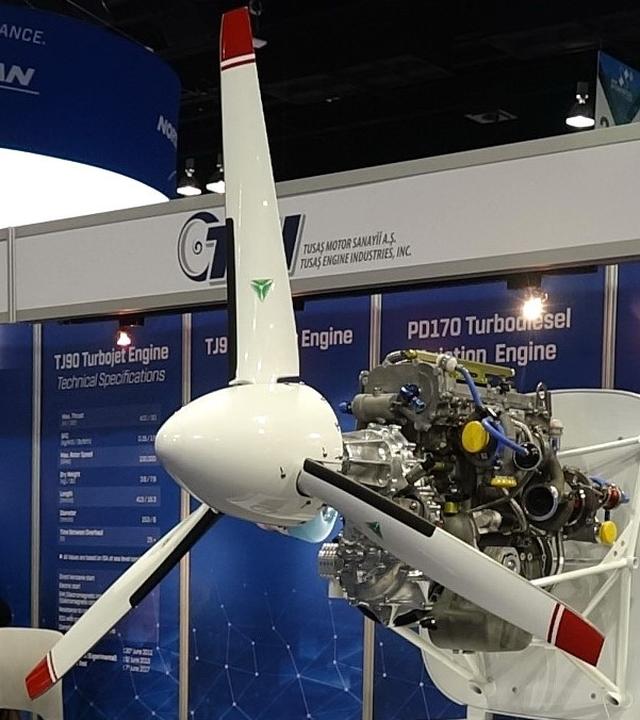
PD170
Uncrewed aerial systems engines
The PD170 is a turbodiesel engine initially developed to meet the engine requirement of Turkish Aerospace Industries' indigenous Anka UAV. Development began in December 2012 ...
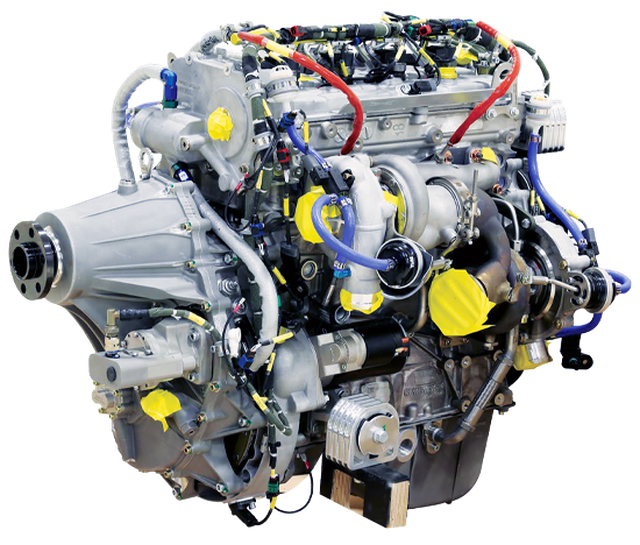
PD222ST
Uncrewed aerial systems engines
Manufactured by Tucas Engine Industries, the PD222ST is a turbo diesel aviation engine designed to meet the needs of MALE UAVs. It has a 220HP (± ...
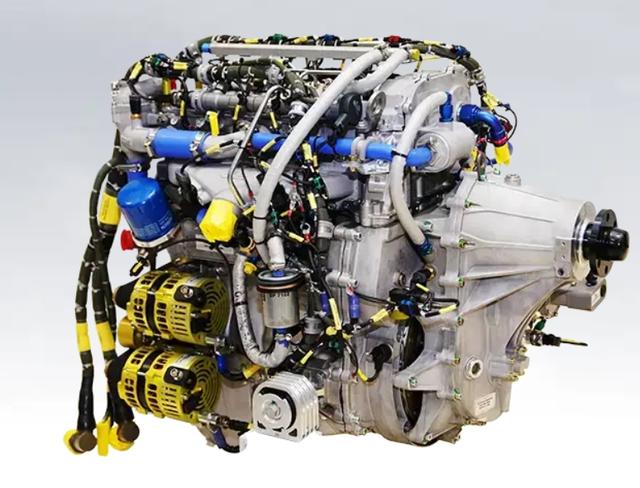
PD-170
Uncrewed aerial systems engines
The PD-170, manufactured by Tusas Engine Industries, is a Turkish turboprop engine. The engine is the output of a project initiated by the President of ...


AI-450
Uncrewed aerial systems engines
The AI-450 is a Ukrainian engine developed by Ivachenko-Progress, with Motor Sich acting as the production partner to supply parts and components. The turboprop engine ...
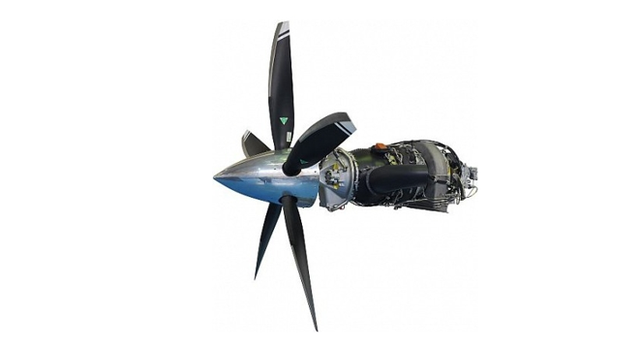
MS-500
Uncrewed aerial systems engines
The MS-500 is a turboprop engine developed by Motor Sich. The engine was originally developed for Russian Ansat-type helicopters and has since been adopted for ...
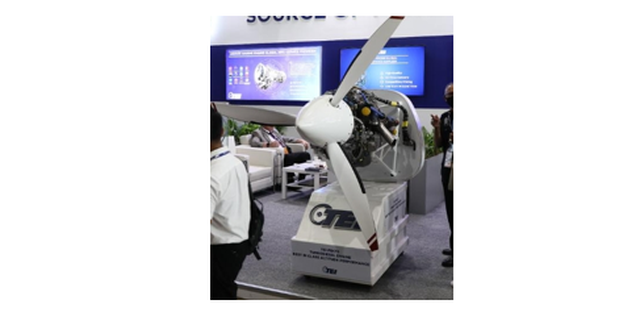
PD-222ST
Uncrewed aerial systems engines
The PD-222ST is a turbodiesel engine manufactured by Turkish Engine Industries (TEI). The engine is an upgraded, single turbo version of the PD-170; the PD-222ST is ...
Missiles and rockets +
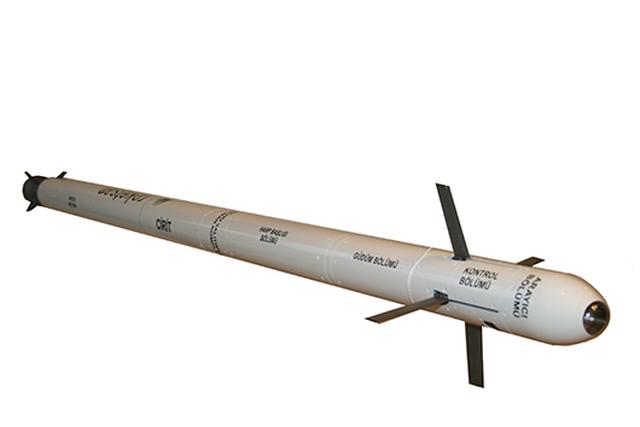
Cirit
Airborne rockets - guided
The Cirit 70mm laser-guided missile was designed to fill the gap between cheap and low-precision unguided rockets and high-cost guided antitank missiles. Cirit can be ...
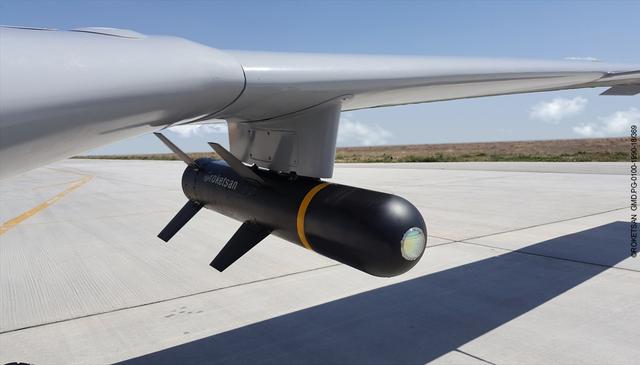
MAM-L
Guided munitions
The Roketsan Smart Micro Munition (MAM-L) is designed to be used for taking down heavily armoured vehicles, by all classes of UAVs and light attack aircraft. The ...
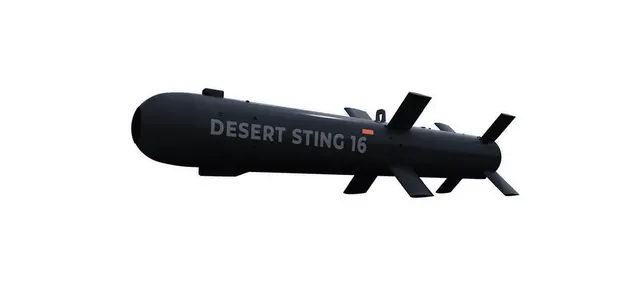
Desert Sting (DS-16)
Guided munitions
The Desert Sting (DS-16) is a guided-glide weapon for precision ground strikes manufactured by Halcon, a subsidiary of EDGE Group. Desert Sting utilises inertial guidance augmented by ...
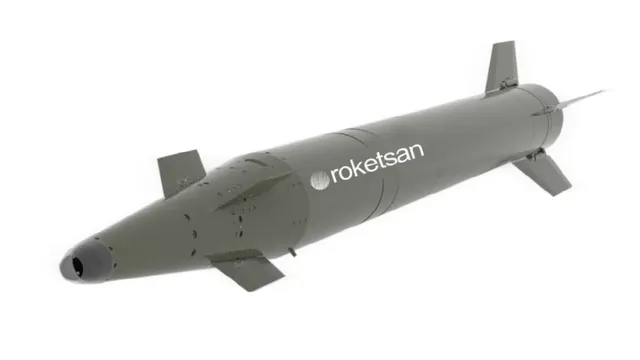
TRG-230
Artillery rockets
TRG-230 is a 230 mm GNSS/INS guided artillery rocket developed by the Turkish ROKETSAN as the medium-range guided artillery rocket for the firm’s universal MLRS ...
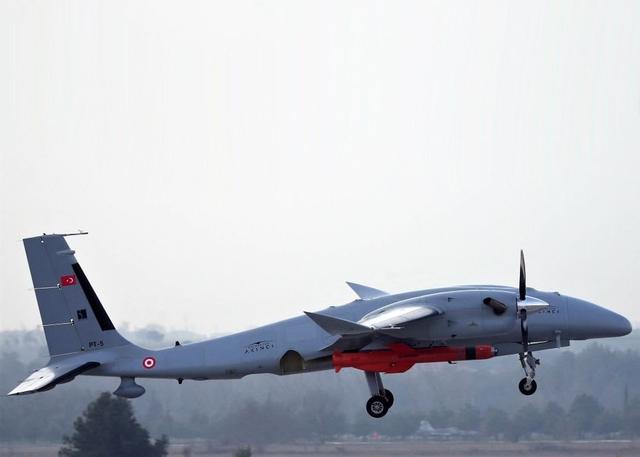
CAKIR
Air-to-surface missiles, Anti-ship missiles
ÇAKIR is a family of multi-service compact cruise missiles developed by Turkish state-owned defence company Roketsan.
Sensors +
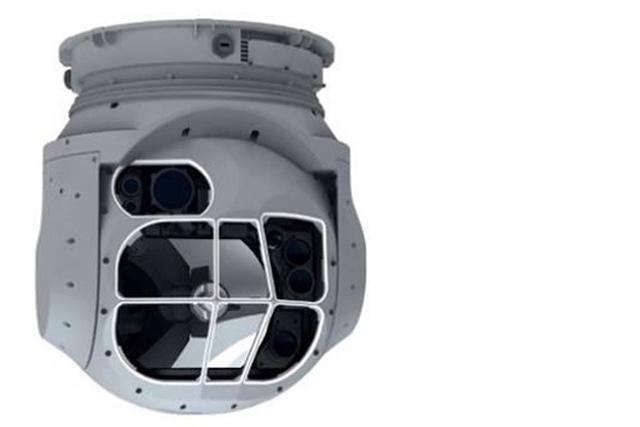
CATS
EO/IR systems
The Common Aperture Targeting System (CATS) is designed for EO targeting and surveillance. The multi-sensor system consists of a high-resolution, Gen III IR camera, high-resolution ...
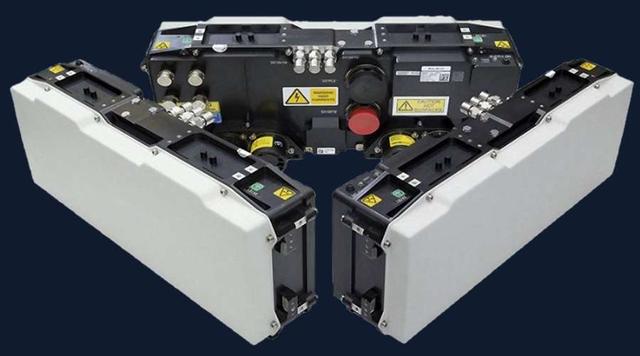

Osprey 30
Air: surveillance and maritime patrol radar, Air: surveillance radar, Air: UAS radar
The Osprey 30, also known as the Osprey, is an airborne active electronically-scanned array (AESA) radar optimised for low size, weight and power (SWAP) requirements. As a multi-mode ...
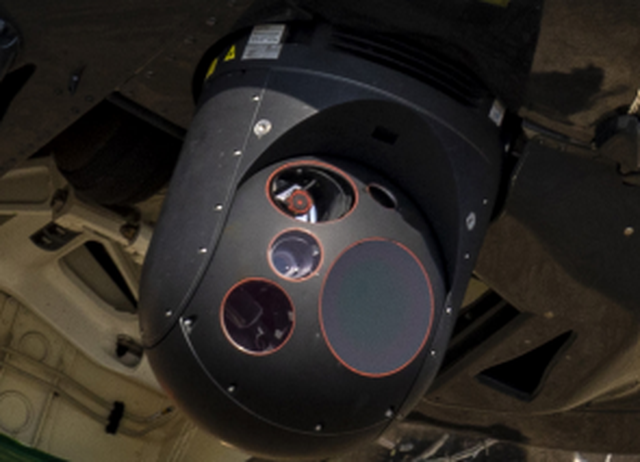
LEOSS-S
EO/IR systems
The LEOSS-S is a multi-sensor, high-accuracy, 4-axis gyro-stabilized turret system for long-range airborne surveillance. It integrates advanced EO/IR sensors, a modular payload, and cutting-edge image ...
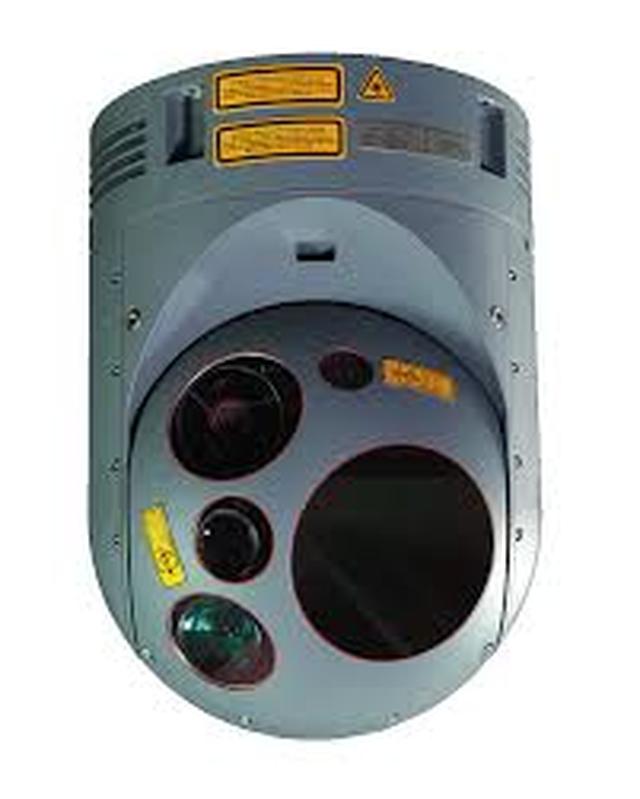
LEOSS-T
EO/IR systems
LEOSS-T is a multi-sensor four-axis gyro-stabilised turret system designed for airborne surveillance applications. LEOSS-T turret is a 15” system based on a modular payload containing ...
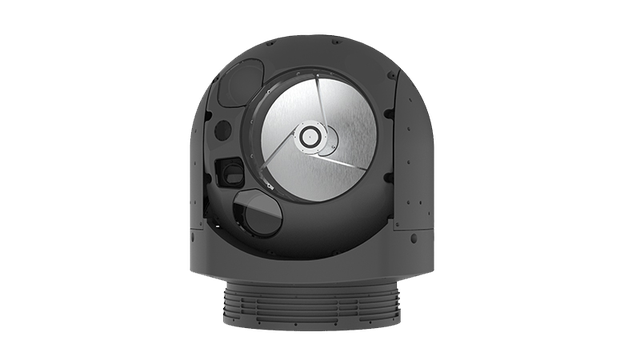
ASELFLIR-500
EO/IR systems
The ASELFLIR-500 is an electro-optical reconnaissance, surveillance and targeting system developed By Aselsan. The system includes a 3-5 micrometre High-Resolution Infrared Camera, a High-Resolution Day TV ...
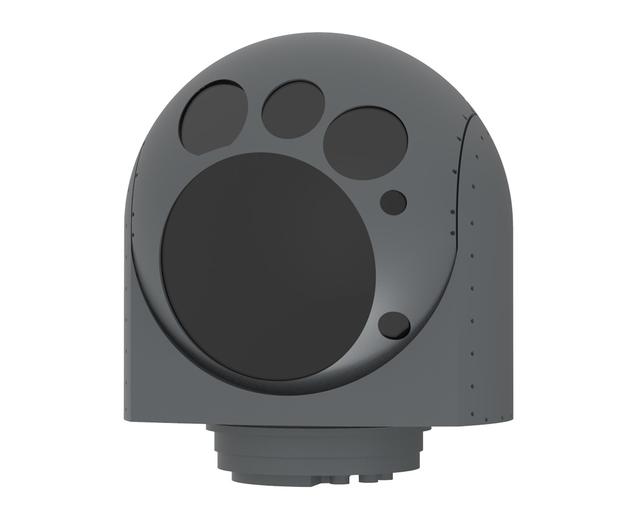
ASELFLIR-600
EO/IR systems
The ASELFLIR-600 is an in-development electro-optical reconnaissance, surveillance, and targeting system designed for High-Altitude Long-Endurance (HALE) class airborne platforms. It integrates advanced imaging technologies and laser ...
Training equipment +
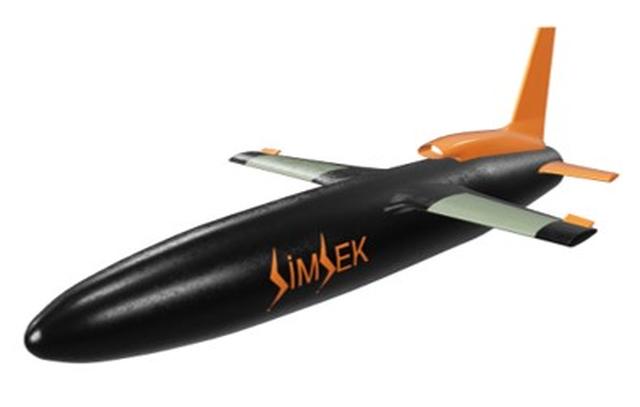
Simsek
Air: aerial targets, Loitering munitions
The Simsek (Şimşek), or Lightning, is a high-speed target drone system that enables autonomous high-speed and low-altitude threat stimulation of aircraft and missiles for air-to-air, ...
Uncrewed aerial systems +
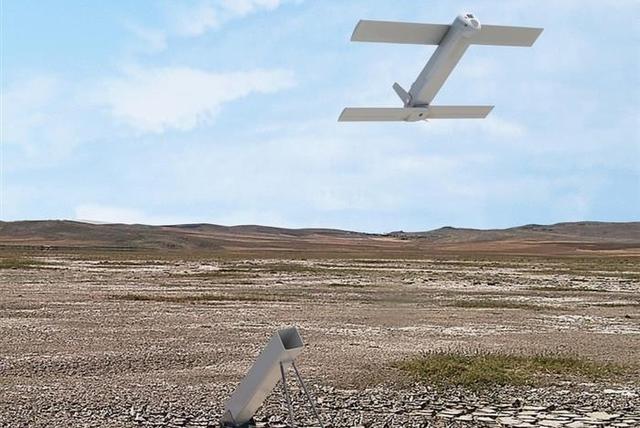
Alpagu
Loitering munitions
The Alpagu is a fixed-wing loitering munition developed by STM. The loitering munition comes in several variants, has been designed for lightness and portability, and is ...
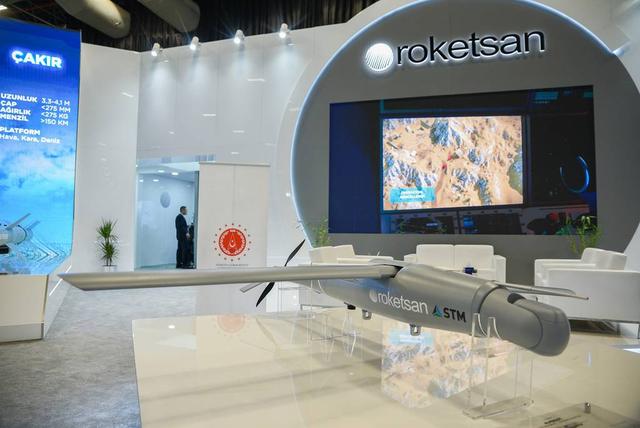
Alpagut
Loitering munitions
Unveiled at SAHA Expo 2022, the Alpagut is a loitering munition being developed by STM and Roketsan. It is hoped the platform will be able to ...
Akinci [Ukraine]
Ukraine • Air Force
Between January and March 2022, Haluk Bayraktar announced that Baykar had signed two export contracts for the Akinci. Four pieces of evidence supported Ukraine being one of these expert …
Akinci [Turkey]
Turkey • Joint
During a 29 August 2021 ceremony attended by Recep Tayyip Erdoğan, the Turkish President, the Akinci officially entered the Turkish inventory. Since then, as of May 2026, …
Zefir (Contracted) [Poland]
Poland • Air Force
In 2018, the Polish MoD announced the Zefir programme to acquire 12 MALE UCAVs with an operating radius of up to 1,000km. Despite completing analytical …
Akinci [Pakistan]
Pakistan • Air Force
Following an agreement fostering closer relations between Turkey and Pakistan in January 2022, a Baykar Aknici HALE UAV was featured in a Pakistan Air Force (PAF) video …
Akinci [Azerbaijan]
Azerbaijan • Air Force
On 2 March 2022, Haluk Bayraktar announced that Baykar had signed two export contracts for the Akinci, showing Baykar had signed a second contract sometime …
Akinci [Saudi Arabia]
Saudi Arabia • Joint
In July 2023, Saudi Arabia signed a contract with Baykar to acquire the Akinci UAV. According to Haluk Bayraktar, the deal is one of the …
Akinci [Morocco]
Morocco • Air Force
In August 2023, Moroccan news outlets reported that the country had begun talks with Baykar about acquiring the Akinci MALE UAV. These talks must have …
Akinci [Kyrgyzstan]
Kyrgyzstan • Border Guard
The Chairperson of the Kyrgyzstan National Security Committee, Kamchybek Tashiev, announced in October 2022 that his country had acquired the Akinci MALE UAV from Baykar. …
Akinci [Ethiopia]
Ethiopia • Air Force
Based on a November 2023 report by SavunmaSanayiST and a January 2024 report by the state-owned Ethiopian Broadcasting Corporation (EBC), it is known that The Ethiopian National …
Akinci [Burkina Faso]
Burkina Faso • Air Force
Photographs that appeared online in April 2024 showed Burkina Faso acquiring at least two Baykar Akinci drones following the country's purchase of the company's Bayraktar …
Akinci [Libya]
Libya • Joint
In July 2024, the Akinci was seen in Libya's possession during the visit of Türkiye's Chief of General Staff, Gen. Metin Gürak. This sighting confirmed …
Akinci [Indonesia]
Indonesia • Navy
The Indonesian Navy had an active initiative to purchase Turkish UCAVs, namely Baykar's Akinci or Turkish Aerospace Industries (TAI) Anka-S, as part of a broader strategy to enhance …
Akinci [UAE]
Uae • Army
In 2023 and 2024, reports emerged that confirmed the UAE had signed a deal with Baykar for 60 TB2s and 60 Akinci UAVs. Defence Insight estimates …
Akinci [Mali]
Mali • Joint
Across three delivery batches between December 2024 and August 2026, eight Akinci UAVs appear to have been delivered to the Malian Armed Forces in December 2024, confirming that a …